Do you need a street-loading bay permit in Kennington SE11?
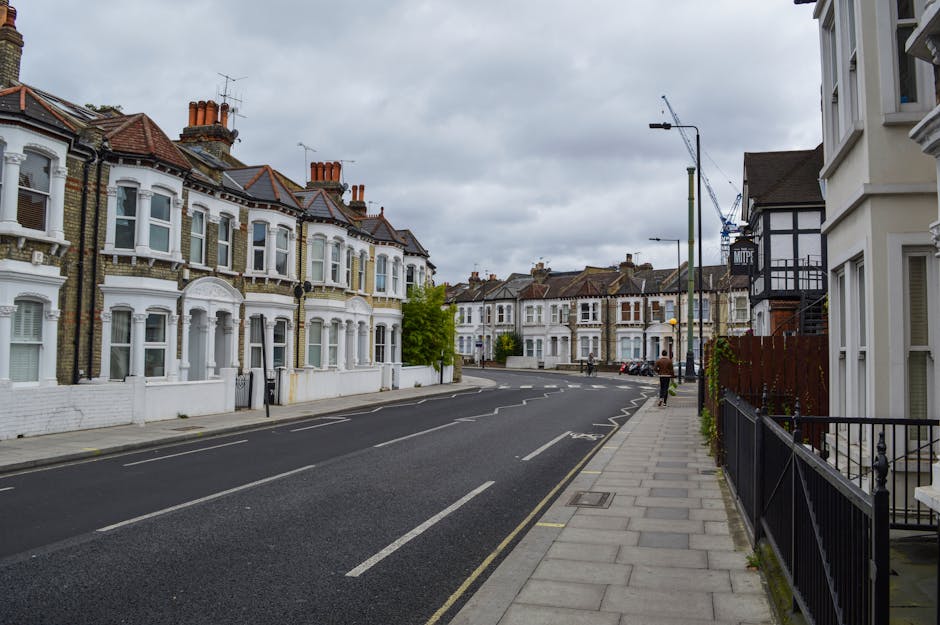
If you are planning a move, a delivery, or even a quick furniture pick-up in Kennington SE11, the permit question can become the part nobody really wants to deal with. Do you need a street-loading bay permit in Kennington SE11? In many cases, the honest answer is: probably yes, if you need to stop in a restricted loading place or use the street for loading and unloading in a way that affects traffic, parking controls, or local access. The exact requirement depends on the street, the time of day, the type of vehicle, and how long you need to stay put.
That sounds a bit slippery, and it is. London streets are often full of bays, yellow lines, controlled parking zones, and time-limited loading areas. One neighbour's "quick stop" can easily become a penalty notice if the setup is wrong. This guide breaks the topic down in plain English, so you can work out what usually matters, what can go wrong, and how to plan a smoother move without the 8 a.m. panic.
For people arranging a home move, office relocation, or a single-item collection, the safest approach is to plan the parking side first, then the lifting side. That order saves a lot of grief.
Why Do you need a street-loading bay permit in Kennington SE11? Matters
Kennington is one of those parts of London where the street layout can change the whole moving experience. Some roads are relatively straightforward. Others are narrow, busy, or lined with parking restrictions that make a van stop feel like a small tactical operation. If you need to load from the street, the presence or absence of the right permission can affect everything: access, timing, cost, and whether your move runs calmly or turns into a scramble.
A loading bay permit, dispensation, or temporary parking arrangement is usually about giving you lawful space to stop for loading or unloading where normal parking rules would otherwise get in the way. That matters because removal work rarely happens neatly in one minute flat. Sofas are awkward. Fridges need care. Office crates pile up in corners. Even a simple house move can involve repeated trips between the doorway and the vehicle. A van parked in the wrong place for too long is asking for trouble.
There is also the human side. Residents and businesses in SE11 still need access to their street. A badly planned loading stop can block traffic, upset neighbours, or make it harder for other road users to pass. Nobody wants to be that van, idling awkwardly under a patch of grey London sky while everyone else stares.
Expert summary: if your move involves stopping on-street in a controlled bay or on a restricted road in Kennington SE11, treat parking permission as part of the job, not an afterthought. A few minutes of checking can save a lot of time and avoid avoidable penalties.
How Do you need a street-loading bay permit in Kennington SE11? Works
In practical terms, these arrangements are about whether the vehicle can stop lawfully in the exact place you want to load from. The rules depend on local parking controls and the street itself. In some situations, loading is allowed for a limited period without any special permit, provided the stop is genuine and within the permitted time. In other situations, you may need explicit permission to use a bay, suspend a parking space, or take up a specific loading area.
Think of it like this: loading is not the same as parking. A delivery driver dropping one parcel is one thing. A moving van with two people carrying boxes, mattresses, and a dismantled wardrobe is another. The longer the stop, the more likely you need to check for permission, especially if the street has high demand or time-restricted loading bays.
For many Kennington moves, the process usually involves:
- checking whether the street has a loading bay or other parking restriction
- confirming the time window when loading is allowed
- deciding whether the vehicle can remain stationary safely and legally
- factoring in space for trolleys, dollies, ramps, and repeated trips
- making sure the vehicle does not block bus routes, driveways, crossings, or access points
If you are unsure, it helps to plan as though you will need permission until proved otherwise. That is the safer, calmer way to work.
In our experience, people often underestimate how much space is needed once the actual move starts. The van is one part of it. The open boot door, the ramp, the stack of boxes by the pavement, and the time spent negotiating a stairwell all add up. It is rarely as simple as "we'll be gone in ten minutes".
Key Benefits and Practical Advantages
Sorting the loading-bay side properly brings a few very real benefits, and not just the obvious one of avoiding a ticket.
- Smoother loading and unloading: the vehicle is closer to the property, so the team spends less time carrying heavy items.
- Less stress on moving day: you are not trying to improvise parking while holding a sofa leg and checking the clock.
- Lower risk of delays: fewer walks back and forth means faster turnaround and a more efficient schedule.
- Better protection for items: shorter carry distances can reduce the chance of knocks, scuffs, or drops.
- Less disruption to neighbours and traffic: a planned stop is usually neater and easier for everyone around you.
- More realistic timing: your whole move plan becomes more accurate once parking is properly built in.
There is also a commercial benefit for businesses. For an office relocation, time is money, and parking chaos tends to multiply stress very quickly. If staff are standing in a lobby waiting for the van, or equipment is sitting on the pavement because the vehicle could not stop nearby, the day drags. That's where a properly organised move, sometimes alongside office relocation services, makes a very visible difference.
For home movers too, the value is more subtle but still important. A sensible parking plan usually means less lifting, fewer damaged items, and a far calmer first hour in the new place. Truth be told, that first hour sets the tone.
Who This Is For and When It Makes Sense
This topic is relevant to anyone who needs to stop a vehicle on the street for loading in Kennington SE11, but some people are more likely than others to need to think about it carefully.
Home movers
If you are moving a flat, a terrace house, or a shared property, street access can be tight. A standard van may fit, but the legal stopping point may not be straightforward. If you are arranging home moves or working with house removalists, the question of loading access should be raised early.
People moving bulky items
Not every job is a full move. Sometimes it is a one-off sofa, a mattress, a dining set, or a heavy wardrobe. If the item is too large to carry far and the road is busy, a loading bay arrangement can make all the difference. That is especially true when using furniture pick-up support.
Businesses and offices
Companies moving desks, IT equipment, filing cabinets, or stock often need a more organised parking plan than a household move. If employees are packing and unpacking in stages, or if multiple trips are required, you may need to allow for a longer loading window. Services like commercial moves can help keep that process structured.
People using a van hire or man-and-van service
If you are hiring a vehicle only, or booking a smaller move with man and van or man with van support, you still need to think about where the van will stand. A smaller vehicle is easier to manoeuvre, sure, but it is not magically exempt from restrictions.
Anyone with limited time or difficult access
Upper floors, narrow staircases, shared entrances, and permit-heavy streets all make loading access more sensitive. If a quick stop becomes a long carry, the whole operation becomes slower and more exposed to risk.
Step-by-Step Guidance
Here is a practical way to approach it without overcomplicating things.
- Identify the exact street and time window. The first question is not "Can we park nearby?" but "Can we stop here legally, at this time, for loading?"
- Check the street layout. Look for loading bays, single yellow lines, double yellow lines, resident bays, suspended spaces, and any kerb restrictions.
- Estimate how long loading will take. A one-room flat is not the same as a three-bedroom house. Be honest with yourself here.
- Think about vehicle size. A van that is too large for the road can create more problems than it solves. If you need a larger vehicle, removal truck hire or a moving truck may still be workable, but only if access allows it.
- Allow for loading help and equipment. Ramps, blankets, straps, and trolleys all need a little space.
- Plan for the "first and last ten minutes". That is where most delays happen. The van arrives, the door is closed, then everyone pauses while someone checks the bay. Classic.
- Keep a backup plan. If the bay is unavailable, know where the nearest realistic alternative is.
- Confirm the arrangement before moving day. If you are using a service provider, ask how they handle parking and access in restricted streets.
A useful habit is to stand outside the property and mentally walk the route from the front door to the vehicle. It sounds simple, but it quickly shows whether a loading bay is a convenience or a necessity. You will spot the awkward bits almost immediately.
Expert Tips for Better Results
These are the little things that tend to separate a smooth move from a messy one.
- Book the parking plan before the furniture plan. It sounds backwards, but it works.
- Keep the van close to the entrance, but not illegally close. There is a sweet spot between convenience and compliance.
- Use a smaller vehicle where the street is tight. In Kennington, a nimble van can be easier than a bigger one if the load permits it.
- Pack by load order. Put the heaviest or most awkward items near the access point so they come out first.
- Protect the pavement and the property. On a damp London morning, wet floors and narrow steps make slipping more likely. Simple floor protection and careful handling help.
- Build in a buffer. If you think loading will take 45 minutes, plan for 75. That is not pessimism. That is experience.
For a house move, the combination of packing and unpacking services and a clear parking arrangement can take a lot of pressure off the day. You are not trying to do everything at once, which is usually where people get frazzled.
One more thing: if you are moving on a weekday, traffic patterns and resident parking pressure can be different from a weekend. That tiny detail can change how easy your loading stop feels. Small difference, big effect.
Common Mistakes to Avoid
Most problems with loading bays and street permits are preventable. The frustrating part is that they are usually preventable in very ordinary ways.
- Assuming loading is always allowed. It may be allowed only for a limited period or not in the exact spot you need.
- Underestimating how long loading takes. A quick stop often becomes a longer one once stairs, lifts, and dismantled furniture enter the picture.
- Using the wrong vehicle size. Too big and you block the road; too small and you need extra trips.
- Ignoring nearby restrictions. A bay may look empty but still be controlled.
- Not planning for bad weather. Rain, wet pavements, and heavier boxes can slow everything down. London being London, that is not exactly a rare event.
- Leaving the parking decision to the last minute. By the time the van arrives, it is too late to start improvising.
Another mistake people make is treating the parking issue as the driver's problem only. In reality, it is a shared planning issue. The driver, the movers, and the person responsible for the property all need the same information. Otherwise, everyone ends up pointing at the street and saying, "I thought you'd sorted it."
Tools, Resources and Recommendations
You do not need a complicated toolkit to handle this well, but a few practical things make life easier.
- Property access notes: write down gate codes, floor numbers, entry instructions, and any narrow access points.
- Vehicle measurements: know the approximate length and height of the van or truck before the day arrives.
- Parking notes: make a simple written note of any loading times, restrictions, or alternative stopping points.
- Protective kit: furniture blankets, straps, gloves, and trolley equipment are basic but very useful.
- Contact details: keep the moving company, building contact, and client numbers easy to hand.
If you are not sure which service type fits your job, it can help to compare options. A smaller load may suit man with van support, while a larger house move might need a more structured approach through home moves or moving truck hire. For heavier or bulkier jobs, house removalists may be a better fit because they tend to be more prepared for awkward access and repeated lifting.
And if you want to understand how the company frames its services, it can be worth looking at the main site pages such as about us and contact us before you book. Sometimes the best resource is simply a direct conversation. Old-fashioned, but effective.
Law, Compliance, Standards, or Best Practice
Street loading arrangements in London are governed by local parking controls and traffic management rules, so the exact requirements can vary by location. That means you should be cautious about assuming a neighbour's arrangement, a previous move, or a memory from another street will apply here. It often won't.
Best practice usually means:
- only stopping in a way that is permitted for the street and time
- not blocking access, crossings, driveways, or emergency routes
- keeping loading genuine and active rather than using the vehicle as informal parking
- allowing enough time so the job is not rushed into unsafe lifting
- checking any building rules that apply inside estates or managed blocks
There is a sensible middle ground here. You do not need to be hyper-worried about every box, but you should respect that street space in Kennington SE11 is regulated for a reason. The rules are there to keep traffic moving and reduce friction between road users, residents, and movers trying to get things done.
If your move involves shared access, flats above shops, or a managed building, best practice also includes coordinating with the building manager or occupier in advance. That avoids the awkward moment when the van is outside and nobody can open the gate. Not ideal, obviously.
Options, Methods, or Comparison Table
Different loading arrangements suit different jobs. A quick comparison helps.
| Option | Best for | Main advantage | Main risk |
|---|---|---|---|
| Standard short roadside stop | Very small loads with simple access | Fast and simple if allowed | Easy to overstay or misunderstand the restriction |
| Loading bay use | Moves or deliveries needing close access | Convenient and efficient | May require permission or time limits |
| Permitted parking suspension / special arrangement | Busy streets and longer loading jobs | More certainty and better access | Needs advance planning |
| Off-street loading | Properties with driveways, yards, or private access | Least disruption to the road | Not always available in Kennington |
| Smaller van with repeated trips | Narrow streets or lighter loads | Easier manoeuvring | Can take longer overall |
To be fair, the "best" option is often the one that fits the street rather than the one that looks cheapest on paper. Saving ten minutes of planning can cost you an hour on the day. That is the sort of bargain nobody wants.
Case Study or Real-World Example
A typical Kennington move might look like this: a two-bedroom flat on a road with limited space, one lift that is already busy, and a van that needs to stop as close as possible to the entrance. The job sounds straightforward until you picture the details. Boxes come down in batches. A wardrobe has to be dismantled. The sofa is wider than the corridor. The driver cannot block the whole street. Suddenly the parking question is not a minor detail at all.
In that kind of situation, the most practical approach is usually to confirm the loading arrangement first, choose the right vehicle size, and stage the load so the heavy items go out efficiently. If the move is commercial, the same logic applies, just with more people and a higher sense of urgency. An office move rarely improves by being spontaneous. It usually gets messier.
What tends to work best is a calm, boring-looking plan. A van arrives. The access is ready. The loading spot is sorted. People know what goes first. No drama, no shouting across the pavement, no last-minute reshuffle of the furniture mountain. Boring is good here.
That is especially true for customers booking removal truck hire or a larger vehicle for bulkier items. The bigger the vehicle, the more important the access plan becomes. A little structure up front protects the rest of the day.
Practical Checklist
Use this before moving day. It keeps things simple.
- Confirm the exact address and street in Kennington SE11
- Check whether the road has loading restrictions or a loading bay
- Decide whether a permit, dispensation, or other permission is needed
- Choose a vehicle size that fits the road and the load
- Estimate how long loading and unloading will realistically take
- Tell the movers or driver about any narrow access, stairs, or lifts
- Prepare furniture protection, straps, and trolleys
- Keep entry instructions and contact details ready
- Allow extra time for traffic, weather, and building access delays
- Have a backup stopping point in case the first option is unavailable
If you can tick those off with confidence, you are in a much better position than most people on moving day. And that's honestly half the battle.
Conclusion
So, do you need a street-loading bay permit in Kennington SE11? The safest answer is that you should assume some form of permission or parking planning may be needed whenever you are loading on a controlled street, especially if the stop is longer than a very quick drop-off. The exact requirement depends on the road, the vehicle, the timing, and the local restrictions in place.
The good news is that this is manageable. Once you treat parking as part of the move plan, everything else becomes easier: the team works faster, the load feels lighter, and the whole day gets less stressful. That little bit of planning can save a surprising amount of money, time, and hassle.
If you are arranging a move in Kennington, make the parking question one of the first things you settle. It is a small decision with a big impact, and it is worth getting right.
Get a free quote today and see how much you can save.
Frequently Asked Questions
Do you always need a permit to load on a street in Kennington SE11?
Not always. Some streets allow loading for limited periods, but others have stricter controls. It depends on the exact bay, the time of day, and whether your vehicle and activity fit the local rules.
What is the difference between a loading bay and a parking bay?
A loading bay is intended for stopping to load or unload goods, usually for a limited time. A parking bay is generally for parking, often with different permissions or time limits. People mix them up all the time, which is where trouble starts.
Can a removal van stop on double yellow lines for loading?
Sometimes loading and unloading may be allowed on double yellow lines, but only within the permitted rules and only if there are no additional restrictions. You should never assume it is allowed just because the van is being used for a move.
How long can a vehicle usually stay in a loading bay?
That depends on the specific bay and local controls. Some allow short stays only. Others are more flexible during certain hours. The time limit is exactly the kind of detail you want to confirm before moving day, not after.
Do small vans need the same parking checks as larger trucks?
Yes, they can. A smaller van is easier to position, but the street rules still apply. A compact vehicle does not give you a free pass, sadly.
Is a street-loading arrangement needed for a single sofa collection?
It can be, yes, especially if the property is on a restricted street or the item is bulky enough to need the van close to the entrance. For one-item jobs, planning is still worth it.
What happens if the loading bay is occupied when I arrive?
You may need to wait, find an alternative legal stopping place, or adjust the loading plan. That is why having a backup option matters. A five-minute delay can easily become thirty if the road is busy.
Should I organise the parking before I book the movers?
Ideally, yes. It is much easier to match the vehicle and the crew to a realistic stopping point than to book everything and hope the street sorts itself out.
Can office moves in SE11 use the same loading setup as home moves?
Sometimes, but office moves usually need more time, more equipment, and clearer coordination. That means the parking and loading plan often needs to be more robust than a simple household move.
What if I am not sure whether my street needs permission?
Treat it as a question to resolve early. Check the street controls, speak to your mover, and plan for the possibility that some form of loading permission may be required. That cautious approach usually saves trouble later.
Do I need to worry about neighbours or building rules as well?
Yes. In Kennington, managed buildings, shared entrances, and narrow streets can all create extra constraints. A clean parking plan is only one part of the picture. Building access matters too.
What is the smartest first step for a move in Kennington SE11?
Start with the access and parking question. Once you know where the vehicle can stop, the rest of the move becomes much easier to organise. It's the unglamorous bit, but it really does set the tone.