Myatt's Fields Estate Moves: Access, Stairs, Parking
Moving in Myatt's Fields Estate can be straightforward on paper and slightly less straightforward in real life. The buildings, shared entrances, stairwells, parking constraints, and narrow estate roads can all affect how quickly a move happens, how safely furniture is carried, and whether the day feels calm or chaotic. That is exactly why planning for Myatt's Fields Estate Moves: Access, Stairs, Parking matters before the van even arrives.
If you are moving into, out of, or within the estate, a little preparation goes a long way. You want clear access for the crew, a sensible plan for stairs and heavy items, and parking arranged in a way that avoids last-minute stress. Truth be told, a move that looks simple on the calendar can turn into a bit of a puzzle when the lift is small, the stairwell is tight, or the only space near the entrance is already taken.
This guide breaks down what matters, how the move usually works, and what you can do to make the day smoother. It also covers practical options for home and business moves, packing help, furniture collection, and vehicle choices, with useful internal resources along the way.
Why Myatt's Fields Estate Moves: Access, Stairs, Parking Matters
Access is the invisible part of a move. You only notice it when it is poor. In Myatt's Fields Estate, that can mean a narrow walkway, limited turning space for larger vehicles, a front entrance that is awkward for trolleys, or stairs that force movers to carry items one by one rather than roll them straight in. Small things, but they add up fast.
Parking matters for the same reason. A van that has to stop too far from the entrance means more walking, more time, and more handling of heavy items. That increases the chance of scraped walls, strained backs, and an irritated neighbour leaning out of a window at the worst possible moment. No one needs that on moving day.
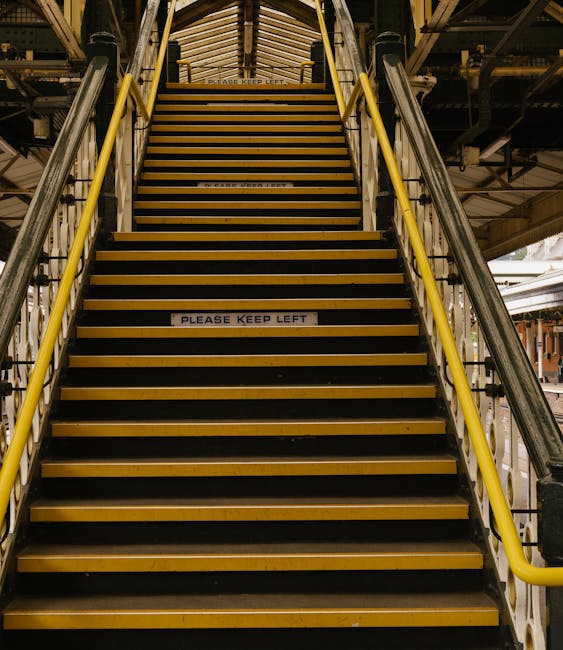
Stairs are a separate issue again. A single flight is one thing. A narrow communal staircase with corners, bannisters, or a tight landing is another. Sofas, wardrobes, mattresses, white goods, and office equipment all behave differently on stairs, and the route matters almost as much as the item itself.
For residents and business tenants, the real value of planning is simple: a better-moving day. You get fewer delays, better protection for your belongings, and less chance of turning a short move into an all-day affair. If you are still comparing options, browsing a service like home moves support can help you understand what level of help fits your situation.
Practical takeaway: in estate moves, access, stairs, and parking are not side details. They are the moving plan. Get them right and everything else tends to fall into place.
How Myatt's Fields Estate Moves: Access, Stairs, Parking Works
A good move starts with a quick but careful assessment. That does not need to be dramatic. It just means looking at the route from the van to the property and asking a few sensible questions: Can the vehicle get close enough? Are there steps at the entrance? Is there a lift? Will large items fit through doors and around stair turns? Where can the van wait safely?
On estate jobs, the route often matters more than distance. A move across the road may be easier than one involving a parking gap, two flights of stairs, and a long walk through a shared access path. That is why professional movers normally want clear information in advance rather than a vague description like, "It should be fine."
The process typically works best in four stages:
- Pre-move survey or call: details are gathered about property access, stair count, parking, item sizes, and timing.
- Vehicle and crew planning: the right van size, moving truck, or man and van setup is chosen.
- Arrival and load-in: the team parks as close as possible, checks the route, and begins moving items carefully.
- Protection and placement: items are wrapped, carried, and placed in the correct rooms with less back-and-forth.
If the move involves a larger household load or bulky furniture, you may need a van with better loading capacity or a dedicated vehicle from a removal truck hire option. For lighter or partial moves, a flexible man with van service can be a smart fit, especially where access is awkward but the load is not huge.
One small point people often forget: the inside route matters too. A shiny van means very little if a chest of drawers cannot make the corner from the hallway to the flat. That is why experienced crews ask about measurements and obstacles early. Slightly boring, yes. Very useful, absolutely.
Key Benefits and Practical Advantages
There are several real advantages to planning around access, stairs, and parking instead of just hoping for the best.
- Less wasted time: shorter carry distances and better parking reduce the number of trips.
- Lower risk of damage: fewer tight turns and rushed lifts means less chance of scuffs, knocks, or breakages.
- Better crew efficiency: movers can work in a smoother rhythm when they know the route.
- Reduced stress for you: the day feels more manageable when the practical bits are already thought through.
- More accurate pricing and planning: clear access details help avoid surprises and mismatched vehicle choices.
There is also a less obvious benefit: confidence. When the moving team knows they can get close to the property, handle stairs safely, and keep the vehicle positioned sensibly, they tend to move with more control. That calm pace matters, especially in shared estates where space is tight and neighbours are nearby.
If you are moving a home with larger furniture, it may also make sense to combine removal support with packing and unpacking services. That reduces the number of loose items to carry and makes stair traffic much easier to manage. One less box wobbling sideways on a landing. Thank goodness for that.
For businesses, a controlled access plan can protect time-sensitive equipment and reduce disruption. If you are relocating a workspace, office relocation services can be especially helpful because they take access, loading order, and building logistics seriously instead of treating them as an afterthought.
Who This Is For and When It Makes Sense
This topic matters to a wide range of people, not just those moving a full house.
It is especially relevant if you are:
- moving into or out of a flat on the estate
- dealing with stairs, no lift, or narrow internal access
- parking a van on a tight residential road
- moving bulky items like sofas, wardrobes, desks, or appliances
- arranging a same-day move and need the process to be efficient
- moving a small office, studio, or shared workspace
- collecting or delivering furniture to a flat with awkward access
It also makes sense if you are only moving a few items but they are awkward ones. A heavy table upstairs is often more of a problem than a whole pile of boxes. To be fair, boxes are forgiving. A dining set is not.
For lighter, one-off jobs, a local man and van option can suit estate moves where the job is straightforward but the access requires a careful pair of hands. If the move is mainly a single sofa, a bed frame, or a wardrobe removal, a focused furniture pick-up service can also be a sensible choice.
And if you are moving a full household, a more complete house removalists service may be the better route, because bigger loads usually need more careful planning around stairs, parking, and the order in which items come out of the property.
Step-by-Step Guidance
Here is a practical way to prepare for an estate move without overcomplicating it.
- Measure the access route. Check door widths, stair turns, ceiling height on landings, and any tight corners. If a wardrobe had to be angled to come in, it will likely need the same treatment on the way out.
- Note the parking situation. Identify whether the van can stop directly outside, whether there are permit rules, and whether there is a time window when spaces are clearer.
- List your bulky items. Sofas, beds, fridges, washing machines, desks, and wardrobes all need special handling. So do anything glass or oddly shaped.
- Decide what needs dismantling. Taking a bed apart before moving day can save time and reduce stair problems. Same goes for some tables and shelving.
- Pack by priority. Keep essentials separate and label boxes clearly by room. That sounds basic, but it saves a lot of wandering around later.
- Book the right vehicle and crew size. A small load may suit a simple van service, while a bigger property may need a moving truck or two-person team.
- Prepare the property. Clear hallways, protect surfaces if needed, and make sure there is an easy path from each room to the exit.
- Confirm contact details. On moving day, one delayed text can save ten minutes of confusion. Not glamorous, but very effective.
At this stage, a practical transport choice matters. For bigger household or business loads, moving truck services can provide the capacity needed to avoid multiple trips. For commercial jobs, the approach is similar but often more time-sensitive, so it is worth looking at commercial moves if you are relocating stock, equipment, or office furniture.
One useful habit: walk the route once yourself from the pavement to the room. You will often spot the awkward bit immediately. The door that sticks. The step you forgot about. The tiny landing. Funny how those things only appear when you are carrying a mattress, isn't it?
Expert Tips for Better Results
Small improvements can make a surprisingly big difference in a move like this.
- Book with access details upfront. Do not leave stairs and parking to the last minute. Good crews plan around them from the start.
- Use protective materials where needed. Blankets, covers, and corner protection reduce the risk of knocks on narrow stairwells.
- Move the easy items first if it helps the flow. Sometimes clearing smaller items makes it easier to handle the bulky stuff later.
- Keep communal areas tidy. Neighbours and building managers appreciate a clean path. It also makes the move safer.
- Allow a little buffer time. Estate moves often take longer than the estimate if parking is tight or the stairs are more difficult than expected.
- Separate fragile items early. Fragile pieces should not be mixed into general furniture loading if you can help it.
A good moving team will also think about sequencing. That means placing items in the vehicle in the order they will be unloaded, not just in the order they fit. A small detail, but it can save a lot of stair traffic later on. The result is less lifting, fewer awkward turns, and a smoother day overall.
If you are unsure which service level fits your move, the company's about us page can help you understand the approach and standards behind the work. And if you want to talk through access concerns directly, the contact page is the sensible next step.
Common Mistakes to Avoid
Some mistakes show up again and again on estate moves. The good news is they are easy to avoid once you know what to look for.
- Underestimating the stairs: people often measure rooms and forget the staircase is the real bottleneck.
- Assuming parking will be fine: "There's usually space" is not the same as having reliable parking on the day.
- Not telling the movers about awkward items: if something is extra-heavy, oversized, or fragile, say so early.
- Leaving boxes unlabelled: this slows down unloading and makes room placement messy.
- Forgetting building rules or neighbour considerations: shared entrances need a bit of respect and planning.
- Booking the wrong size vehicle: too small means multiple trips; too large may be difficult to position safely.
One of the more common slip-ups is treating a small move like a tiny job that needs almost no preparation. In reality, a one-bedroom flat with two awkward flights of stairs can be more demanding than a larger ground-floor property. The van size is only part of the story.
Another mistake is packing too late. If you are still wrapping kitchen bits the morning of the move, everything takes longer. And yes, the kettle somehow disappears at exactly the wrong moment. Happens all the time.
Tools, Resources and Recommendations
You do not need specialist kit for every move, but a few simple tools can help immensely.
| Tool or Resource | Why It Helps | Best For |
|---|---|---|
| Measuring tape | Checks door widths, stair turns, and furniture dimensions | Any flat or house move |
| Labels and marker pens | Makes unloading faster and more organised | Boxed household items |
| Protective covers or blankets | Reduces scratches on bannisters, walls, and furniture | Stair-heavy moves |
| Trolley or dolly | Useful where access is level enough for rolling items | Heavy boxes and appliances |
| Vehicle guidance from movers | Helps choose between van, truck, or mixed approach | Moves with uncertain access |
For some jobs, the most useful resource is simply the right kind of service. If you need a vehicle but want flexibility, removal truck hire may give you the capacity you need. If your move is smaller, leaner, and local, a van-based approach can be more practical and cost-conscious.
For businesses and households alike, packing support is worth considering if time is tight or if you want fragile items handled with more care. A tidy packing plan often saves more time than people expect. The difference shows up not just on moving day, but in the two days after, when you are no longer staring at a tower of unloved boxes.
Law, Compliance, Standards, or Best Practice
This kind of move does not usually involve complex legal steps, but there are still sensible UK best practices to follow. The main priorities are safety, access respect, and responsible parking. That includes avoiding obstructions, keeping communal areas clear where possible, and making sure the moving vehicle is positioned without causing unnecessary disruption.
If a move involves public roads, loading bays, permit-controlled spaces, or shared estate access, check the local rules in advance. The exact requirements can vary, so it is better to verify them than to assume. If there is a building manager, concierge, or residents' association, ask whether any advance notice is needed. That little bit of admin can prevent a lot of friction later.
There is also a health and safety angle. Moving heavy items on stairs should be done carefully, with proper lifting technique and enough people for the job. It sounds obvious, but you only need one bad lift to ruin the afternoon. Professional movers will usually assess weight, shape, and carry distance before starting, and that is the right approach.
For customers, transparency matters too. Make sure you know what is included in the service, what access information is needed, and any limits around timings or loading conditions. If you want to review the basics before booking, the terms and conditions and privacy policy pages are useful places to check how information and service expectations are handled.
Options, Methods, or Comparison Table
Different moves call for different setups. Here is a practical comparison to help you think it through.
| Option | Best For | Strengths | Trade-Offs |
|---|---|---|---|
| Man and van | Small to medium local moves | Flexible, efficient, usually ideal for lighter loads | May be limited for very large furniture sets |
| Man with van | Single-room moves or a few bulky items | Simple, practical, easier to book for compact jobs | Not always the best fit for full household contents |
| Moving truck | Larger loads, multiple rooms, heavier furniture | More capacity, fewer trips, better for bigger homes | Can be harder to position if access is tight |
| Removal truck hire | Moves where volume matters most | Useful for substantial loads and repeated journeys | Requires more planning around parking and access |
In short, the right choice depends on your access conditions as much as your item list. A smaller van can sometimes beat a larger truck if parking is awkward. On the other hand, if you have three bedrooms' worth of furniture and a clear loading zone, a bigger vehicle can save a lot of effort.
For many residents, the most practical starting point is to think in terms of load size, not just budget. If you are unsure, asking for advice before booking is usually the smartest move. That is what the main site is there for: to help you match the service to the real job, not just the ideal one.
Case Study or Real-World Example
Imagine a second-floor flat in Myatt's Fields Estate with a narrow staircase, a sofa bed, a washing machine, and a few dozen boxes. The lift is not available, the parking space nearest the block is already half-full by mid-morning, and the hallway at the top of the stairs is just wide enough for one person to pass. That is not unusual. It is just estate life, really.
In a case like this, the best approach is to break the move into stages. First, the crew checks whether the van can park close enough to the entrance. If not, they identify the next-best spot and adjust the loading plan. Then the largest items are moved first, while the stair route remains clear. The washing machine goes with proper handling. The sofa bed may need a two-person carry and a careful turn on the landing. Boxes follow afterwards, grouped by room so they are not scattered everywhere on arrival.
Now compare that to a rushed approach with no plan. The van parks too far away, the team realises the sofa will not fit through the door unless it is tilted, and the boxes are loaded before the heavy items. By the end of the morning, the job takes longer, tempers are shorter, and someone is very definitely regretting that "quick" move. Slightly dramatic, yes, but not far from real life.
The lesson is simple: access planning changes outcomes. Good planning does not make a tricky estate move effortless, but it makes it manageable, safe, and far less stressful.
Practical Checklist
Use this checklist before moving day. It is simple, but it catches a lot of avoidable problems.
- Confirm full property address and exact entrance details
- Measure stairways, doorways, and any tight corners
- Check whether there is a lift and whether it is usable on the day
- Note parking restrictions, permits, or time-limited spaces
- List all bulky, heavy, fragile, or awkwardly shaped items
- Dismantle furniture where appropriate
- Label boxes by room and priority
- Clear hallways, landings, and the route to the door
- Confirm moving time, contact number, and access instructions
- Check whether extra help is needed for packing, loading, or furniture handling
Quick reality check: if any one of these items feels uncertain, sort it out before the van arrives. That single phone call can save a surprising amount of hassle.
Conclusion
Myatt's Fields Estate moves are easiest when access, stairs, and parking are treated as the main event rather than the fine print. Once you understand the route, choose the right vehicle, and prepare the property properly, the whole move becomes more predictable and far less draining.
The biggest wins are often the simplest ones: clear instructions, thoughtful packing, realistic timing, and a team that knows how to work around shared estate conditions. Whether you are moving a flat, a full house, a few bulky items, or an office setup, a little planning goes a long way. And honestly, that calm feeling when the first heavy item makes it out without drama? Worth it.
If you are still shaping your plans, take the next step and talk through your move in detail. The more clearly you describe the access, the stairs, and the parking, the better the result will be.
Get a free quote today and see how much you can save.
Frequently Asked Questions
What should I check before booking a move in Myatt's Fields Estate?
Check the route from the vehicle to the front door, the number of stairs, whether a lift is usable, and whether parking is available close enough for loading. Also list any bulky or fragile items so the team can plan properly.
Do I need a man and van or a larger moving truck?
It depends on the size of the move and the access. A man and van setup often works well for lighter or smaller jobs. A moving truck is usually better for larger household contents or moves with multiple bulky items.
How does parking affect the cost or timing of a move?
Parking can affect both. If the van has to park further away, loading takes longer and the job may require more labour. Tight parking can also slow the entire schedule, so it is worth mentioning early.
What if my staircase is narrow or has awkward corners?
That is very common in estate moves. The key is to tell the movers in advance, measure larger furniture carefully, and be ready for some items to be dismantled or carried with extra care.
Can movers handle furniture that will not fit through the door easily?
Often yes, but not always in one piece. Some items need to be taken apart, angled carefully, or moved by a different route. If something is especially large, let the team know before moving day.
Is it worth using packing and unpacking services for a small flat move?
It can be, especially if you are short on time or have fragile items. Even a small flat can generate more packing than expected, and professional help can reduce the stress quite a bit.
What kind of items are hardest to move on stairs?
Large sofas, wardrobes, mattresses, washing machines, and glass tables are usually the trickiest. They can be heavy, awkward, or both, which makes stair movement more difficult than standard boxes.
Should I tell the building management before the move?
Yes, if possible. Some buildings or estates have access rules, preferred moving times, or parking arrangements that are easier to manage when notified in advance. It also helps keep things smoother with neighbours.
What happens if there is no good parking space near my block?
The move can still go ahead, but the crew may need a different loading plan. That could mean a longer carry distance, more time, or a different vehicle setup. It is best to mention parking uncertainty before booking.
Can a removal truck still work in a tight estate?
Sometimes, yes, but it depends on the layout. A larger vehicle offers more capacity, yet it also needs enough room to position safely. In tighter settings, a smaller van may actually be the better practical choice.
What is the safest way to prepare fragile items for stairs?
Wrap them well, box them securely, label them clearly, and keep them separate from heavy furniture. Fragile items should be loaded and carried with a little extra breathing room. No rushing, if you can help it.
How far in advance should I arrange my move?
As early as you can, especially if the move involves tricky access, parking concerns, or a larger load. Advance planning gives you time to solve small problems before they become moving-day problems.